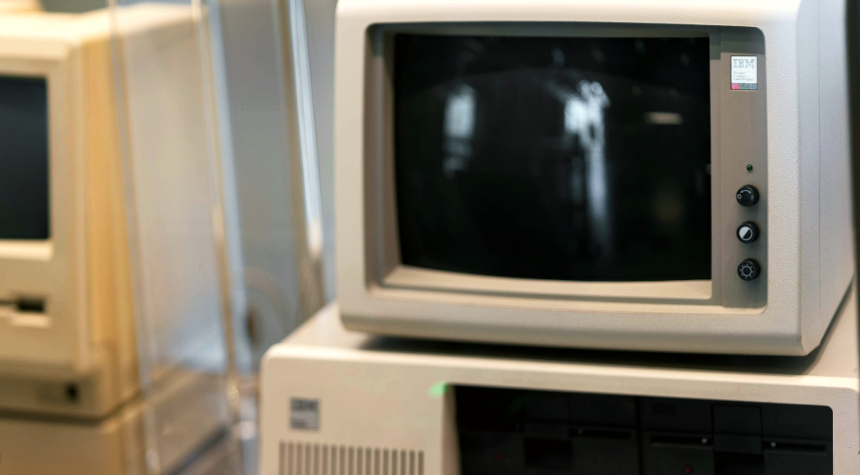
On August 12th, 1981, International Business Machines (more commonly known as, IBM) released their first Personal Computer, the IBM 5150. Not to be confused with the first personal computer. More on that later. The 5150 came equipped with an Intel 8088, up to 256 kilobytes of RAM, a 5.25” floppy drive. Both monochrome and color displays were available for the machine.
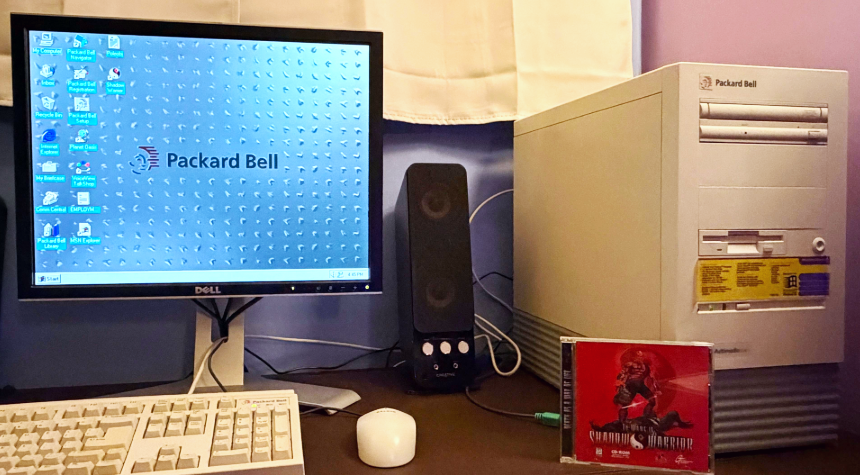
IBM’s choice to use common hardware components enabled other manufacturers to easily reverse engineer the BIOS (Basic Input Output System). This caused a flood of what would become known as IBM Clone computers. By 1983, manufactures such as Hewlett Packard and Compaq to name a few, had PC clones, as PC Magazine would put it, available for purchase. There is a good chance you may have had one in your home. This would eventually lead to the term, “IBM Compatible”, often seen on 90s computer software requirements.
In 2005 Lenovo would purchase IBM for 1.75 billion dollars and continue making the popular IBM line of computers such as the ThinkPad, now sporting the Lenovo brand. These days IBM is focused on Infrastructure, Security, AI, and other software ventures.
The IBM 5150 may not have been the first personal computer, that goes to Xerox with their innovative Xerox Alto, which failed to gain popularity. But the IBM 5150 is considered by some to be the computer that gave us the robust and somewhat affordable home computing experience that we have today.
Image credit: Jon Anders Wiken – stock.adobe.com